
Color is everywhere. It shapes emotion, tells stories, and quietly influences decisions without asking permission. From ancient cave paintings to modern digital screens, color has always been more than decoration. It is a language.
This article explores where color came from, how the color wheel was born, and why color theory still matters today.
The First Colors: Earth, Fire, and Survival
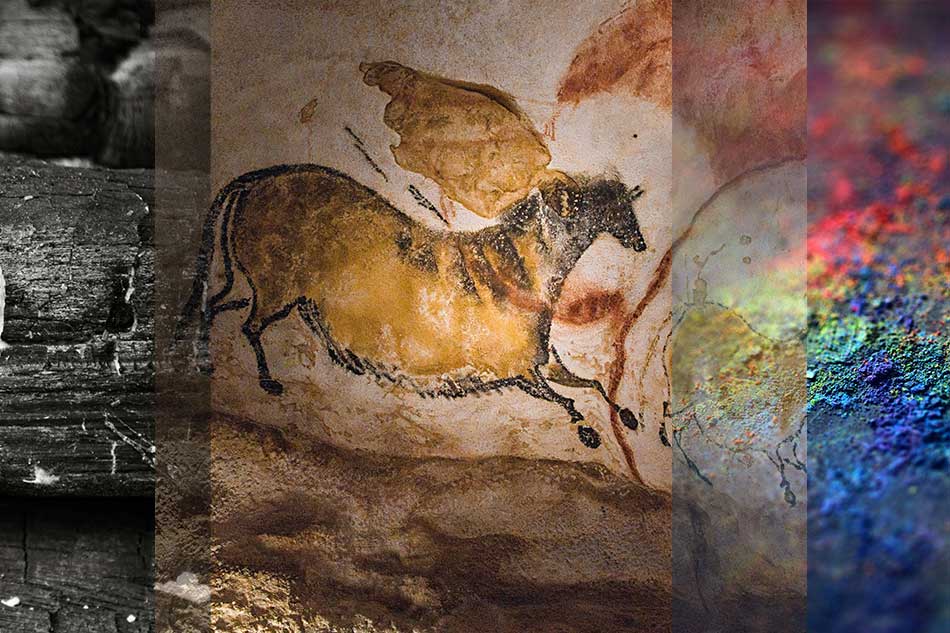
Long before paint tubes and design apps, early humans created color using what they could find in nature. Burnt wood became charcoal for black. Crushed minerals created reds and yellows. Clay and plants filled in the rest.
In places like the caves of Lascaux, artists used these natural pigments to paint animals, stories, and symbols. These were not just drawings. They were communication, survival, and expression all at once.
Ancient Egyptians later elevated color into symbolism. Gold represented eternity. Blue stood for protection. Color was not random. It meant something.
Fun Fact: The color purple was once so rare and expensive that only royalty could afford it. It was made from sea snails. Thousands of them.
.
The Birth of the Color Wheel
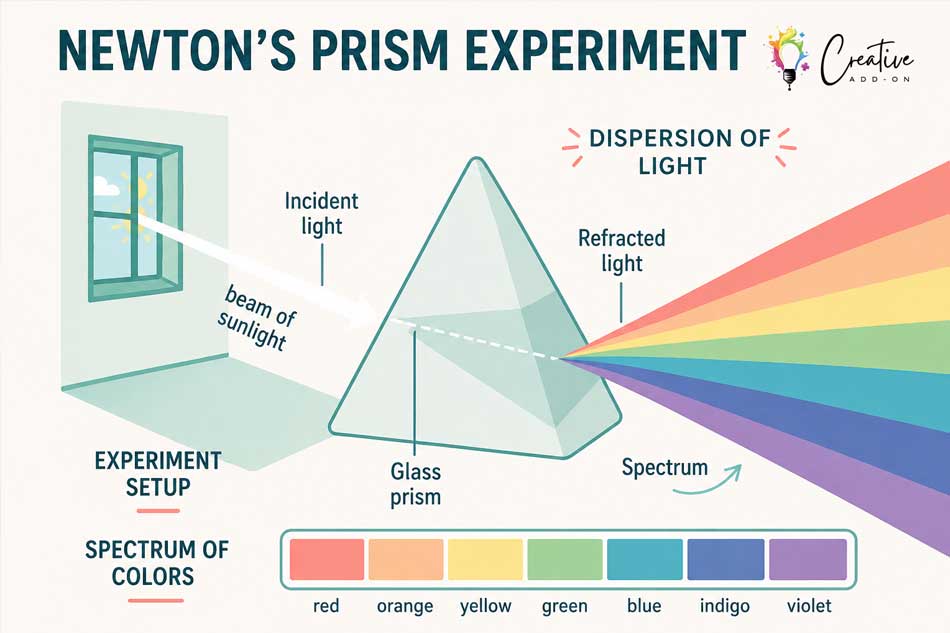
Using a prism, Newton discovered that white light could split into a rainbow. Instead of seeing color as something added to light, he showed that color was already inside it.
He then arranged these colors into a circle. This became the first color wheel.
The color wheel helped organize color in a way artists and designers could actually use. It showed relationships. It created structure. It turned color into a system.
Understanding Color Theory: The Rules Behind the Magic
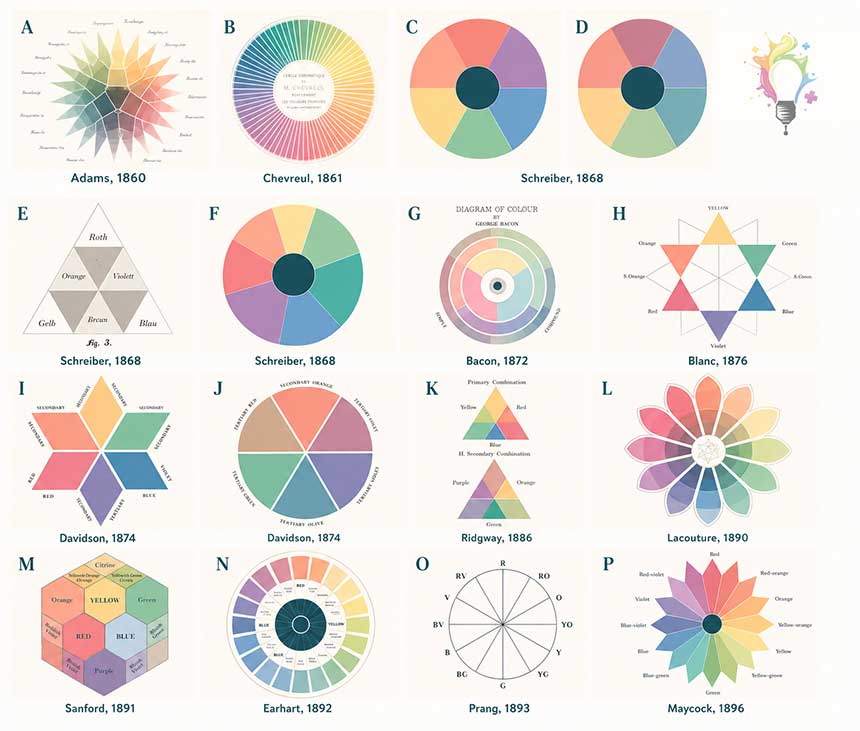
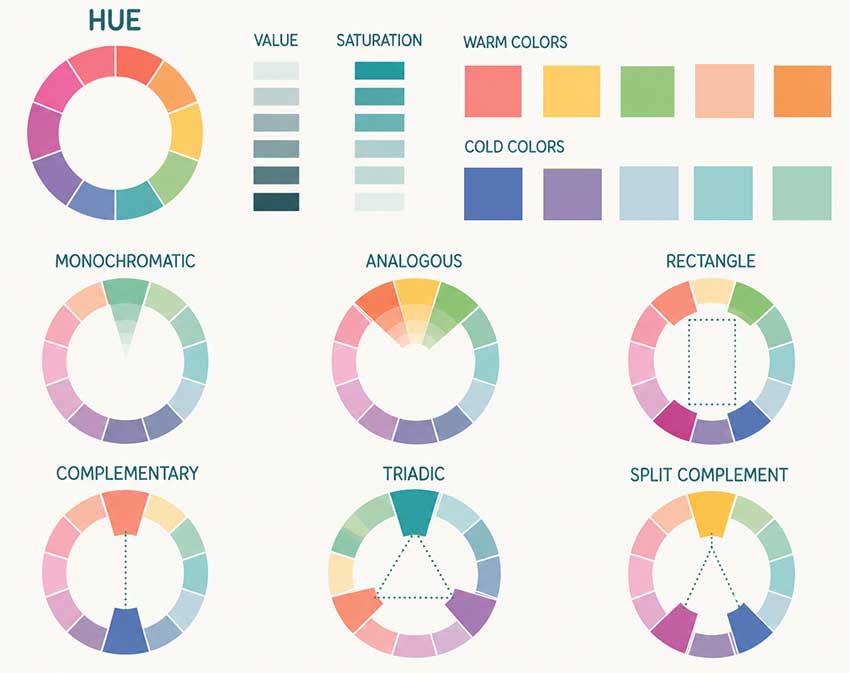
Here are the basics:
Primary Colors
Red, blue, and yellow. These cannot be made by mixing other colors.
Secondary Colors
Green, orange, and purple. Made by mixing two primary colors.
Tertiary Colors
The in-between shades. Red-orange, blue-green, and more.
Color Harmony
Certain color combinations feel balanced and pleasing.
- Complementary colors sit across from each other on the wheel. Think blue and orange. High contrast. Bold energy.
- Analogous colors sit next to each other. Think blue, blue-green, and green. Calm and smooth.
- Triadic colors form a triangle on the wheel. Balanced but vibrant.
Warm vs Cool Colors
Warm colors like red and yellow feel energetic and alive.
Cool colors like blue and green feel calm and quiet.
Fun Fact: Fast food restaurants often use red and yellow because those colors are known to increase appetite and grab attention quickly.
Why Color Still Matters Today
From branding and advertising to classrooms and galleries, color continues to shape how people think and feel.
A soft blue classroom wall can calm students. A bold red poster can demand attention. A carefully chosen color palette can make artwork feel complete or completely off.
Color is not just seen. It is felt.
Final Thought
Color started with dirt, fire, and curiosity. It evolved through science, art, and culture. Today, it sits at the center of creativity.
Understanding color does not limit imagination. It unlocks it.
So the next time a color is chosen, mixed, or noticed, remember this.
Every shade carries history. Every color tells a story.