
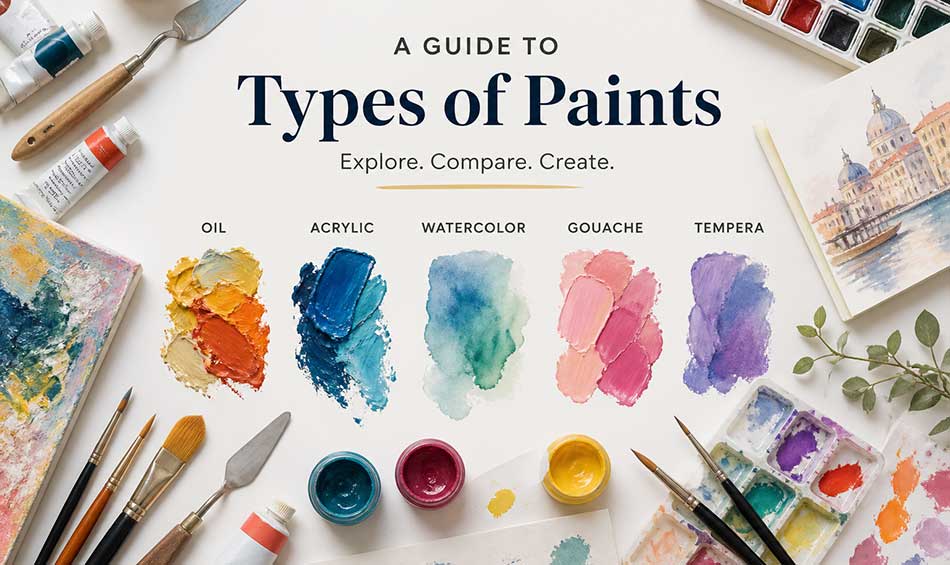
>> CLICK HERE to download our FREE Paints Comparisons Chart
OIL PAINT: The Timeless Master
History
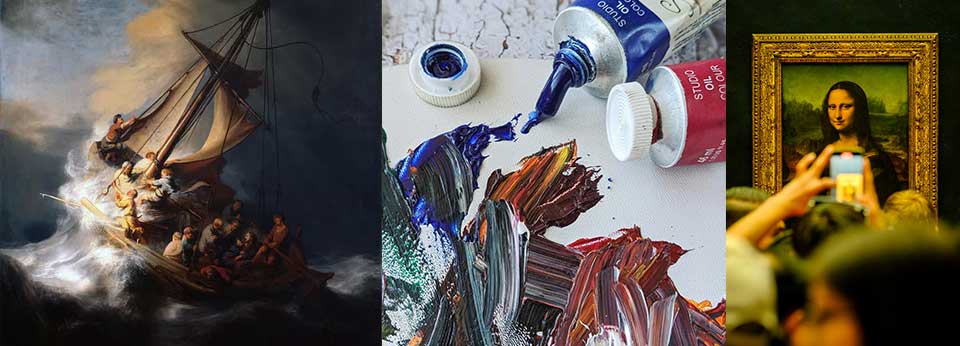
Oil paint rose to prominence during the Northern Renaissance in the 15th century. Artists like Jan van Eyck helped refine its use, making it a dominant medium for centuries.
Strengths
A. Rich, deep colors that age beautifully
B. Slow drying time allows blending and revision
C. Ideal for detailed realism and layered techniques
Weaknesses
A. Long drying time can slow workflow
B. Requires solvents and careful handling
C. Can crack over time if not applied properly
Fun Fact
Some oil paintings take months or even years to fully dry.
Famous Artists
A. Leonardo da Vinci
B. Rembrandt
C. Vincent van Gogh
ACRYLIC PAINT: The Modern Powerhouse
History
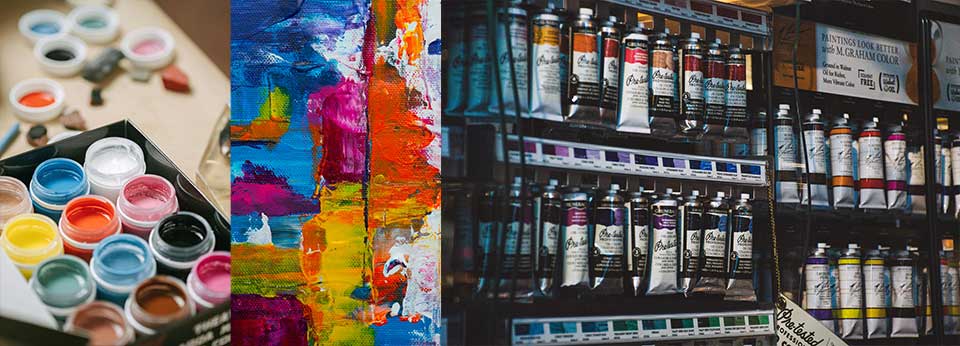
Acrylic paint is a 20th-century invention, becoming widely popular in the 1950s as a fast-drying alternative to oils.
Strengths
A. Dries quickly for fast layering
B. Water-based and easy to clean
C. Versatile for thick or thin applications
Weaknesses
A. Dries too fast for some blending techniques
B. Colors may darken slightly when dry
C. Can appear flat compared to oils
Fun Fact
Acrylic can mimic watercolor or oil depending on how it is used.
Famous Artists
A. David Hockney
B. Bridget Riley
TEMPERA PAINT: The Ancient Classic
History
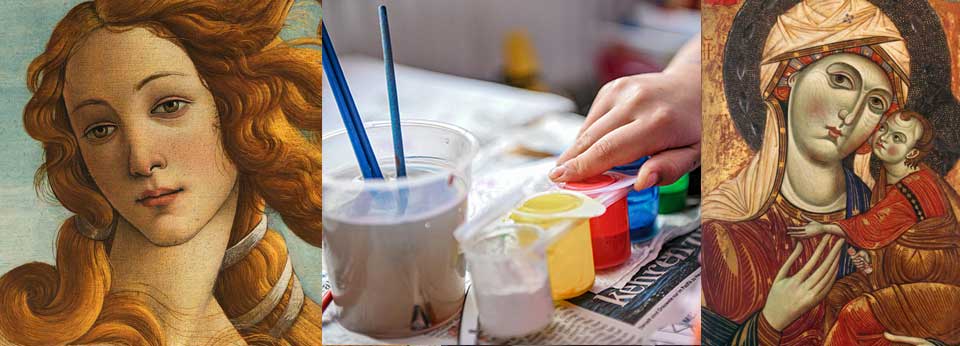
Tempera dates back to ancient Egypt and was widely used in medieval and early Renaissance art before oil paint took over.
Strengths
A. Fast drying with precise control
B. Long-lasting and stable colors
C. Excellent for fine detail work
Weaknesses
A. Limited blending ability
B. Fragile surface if not protected
C. Less vibrant compared to oils
Fun Fact
Traditional tempera uses egg yolk as a binder.
Famous Artists
A. Sandro Botticelli
B. Giotto
WATERCOLOR: The Light and Airy Storyteller
History
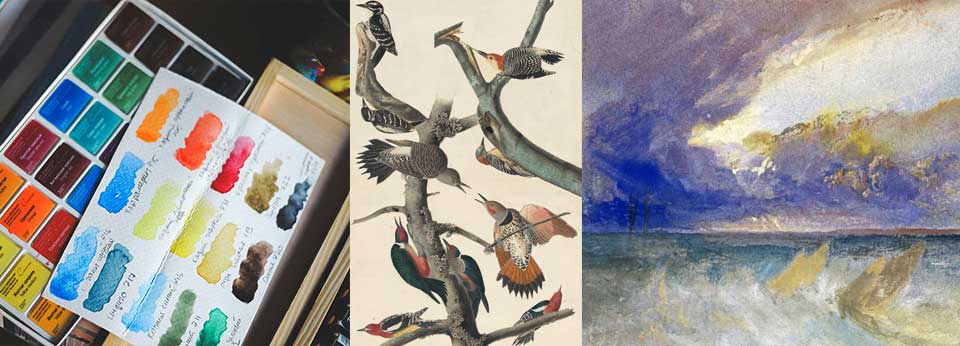
Watercolor has roots in ancient civilizations but became especially popular in 18th and 19th century Europe for landscape painting.
Strengths
A. Transparent and luminous effects
B. Portable and easy to set up
C. Ideal for quick sketches and studies
Weaknesses
A. Hard to correct mistakes
B. Requires strong planning and control
C. Colors can fade over time
Fun Fact
Watercolor relies heavily on the white of the paper for highlights.
Famous Artists
A. J.M.W. Turner
B. Winslow Homer
GAUCHE: The Bold Hybrid
History
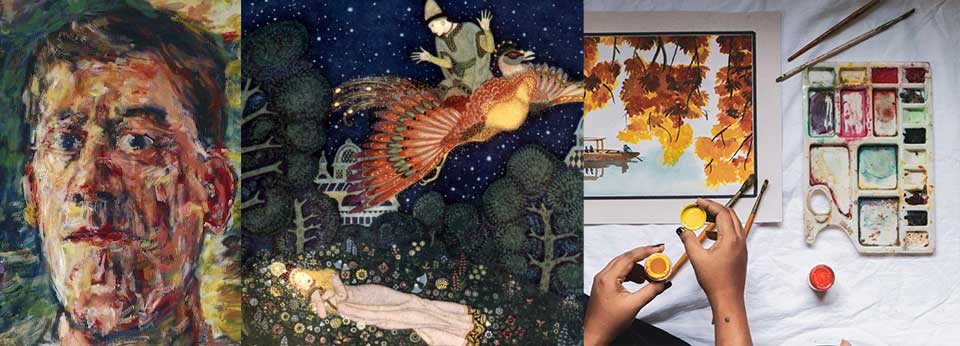
Gouache developed alongside watercolor but became popular with illustrators and designers in the 19th and 20th centuries.
Strengths
A. Opaque and vibrant colors
B. Matte finish perfect for design work
C. Can layer light over dark
Weaknesses
A. Can crack if applied too thickly
B. Colors may shift when dry
C. Reactivates with water easily
Fun Fact
Gouache is often used in animation and concept art because of its flat, bold look.
Famous Artists
A. Henri Matisse
B. Egon Schiele
Final Brushstroke
From the slow, rich layers of oil paint to the quick, vibrant strokes of acrylic and the delicate transparency of watercolor, each medium tells its own story. Understanding their history, strengths, and quirks not only deepens appreciation but also opens new creative doors.
In the end, the “best” paint is not about perfection. It is about choosing the right voice for the idea—and letting creativity do the rest.